Understanding Hammer Toe: Your Complete Guide to Treatment Options in Lancaster, CA
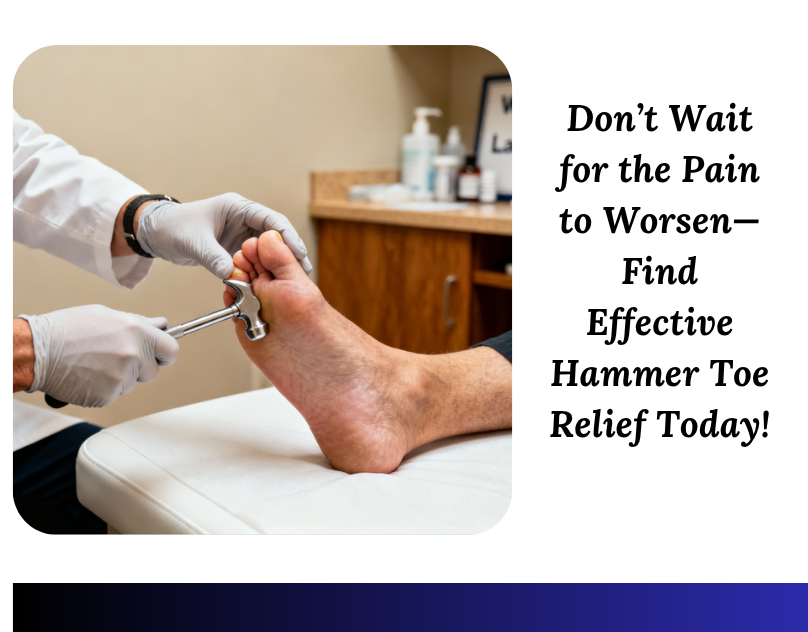
Are you experiencing pain or discomfort in your toes? Do you notice that one or more of your toes seem to be bent at an unusual angle? You might be dealing with a condition called Hammer Toe Lancaster, CA residents frequently seek treatment for. This common foot deformity affects thousands of people annually, causing pain and making it difficult to wear shoes. Fortunately, various treatment options are available, ranging from simple home remedies to surgical interventions.
In this comprehensive guide, we'll explore everything you need to know about hammer toe, including its causes, symptoms, and the full spectrum of treatment options available to help you get back on your feet comfortably.
What Exactly Is Hammer Toe?
Hammer toe is a foot deformity that causes one or more of the smaller toes to bend abnormally at the middle joint. This creates a hammer-like or claw-like appearance, which is how the condition gets its name. The affected toe points downward instead of forward, creating a bump on top of the toe that can rub against footwear.
This condition typically develops over time due to muscle imbalances in the toe. When certain muscles become weaker than others, they can no longer hold the toe in its proper position. The result is a bent toe that becomes increasingly rigid if left untreated.
Common Causes and Risk Factors
Several factors contribute to the development of hammer toe:
- Improper footwear: Wearing shoes that are too tight, too narrow, or have high heels forces toes into cramped positions
- Genetics: Some people inherit foot structures that make them more susceptible to developing this condition
- Arthritis: Inflammatory joint conditions can weaken the muscles and ligaments in the toes
- Toe injuries: Trauma to the toe, such as stubbing or jamming it, can lead to hammer toe
- Nerve damage: Conditions like diabetes that affect nerve function can contribute to muscle imbalances. Women are more likely to develop hammer toe than men, primarily because they often wear high-heeled or narrow shoes. Additionally, individuals with bunions or flat feet are at an increased risk.
Recognizing the Symptoms
Early detection makes treatment much easier. Therefore, knowing the warning signs is crucial. The most obvious symptom is the visible bending of the toe at the middle joint. However, other symptoms include:
- Pain or discomfort in the affected toe, especially when wearing shoes
- Corns or calluses developing on the top of the bent joint
- Redness, swelling, or inflammation around the toe
- Difficulty moving the affected toe
- Pain in the ball of the foot under the bent toe
Initially, the hammer toe is flexible, meaning you can still straighten the toe manually. However, without proper treatment, the condition progresses and the toe becomes rigid, making conservative therapies less effective.
Conservative Treatment Options
For many patients seeking help for Hammer Toe Lancaster, CA podiatrists typically recommend starting with non-surgical approaches. These conservative methods are most effective when the toe remains flexible and the condition hasn't progressed to a rigid state.
Footwear Modifications
Changing your shoes is often the first and most effective step in treatment. Look for footwear with:
- A broad and deep toe box that doesn't compress your toes
- Low or no heels (ideally under two inches)
- Soft, flexible materials that reduce pressure points
- Adequate arch support to prevent foot strain
Avoiding pointed-toe shoes and high heels can prevent the condition from worsening. Many patients notice significant improvement simply by switching to more appropriate footwear.
Orthotics and Padding
Custom orthotic devices can help redistribute pressure across your foot, reducing strain on the affected toe. Your podiatrist may recommend:
- Toe pads or cushions: These protect the bent joint from rubbing against shoes
- Arch supports: Custom or over-the-counter inserts that support proper foot alignment
- Toe straps or splints: Devices that hold the toe in a straighter position
These devices work by addressing the underlying muscle imbalances and protecting sensitive areas from friction. Consequently, they can provide substantial pain relief.
Stretching and Strengthening Exercises
Physical therapy exercises help maintain toe flexibility and strengthen weak muscles. Your healthcare provider might suggest:
- Picking up small objects like marbles with your toes
- Gently stretching the affected toe by hand
- Using your toes to crumple a towel placed on the floor
- Flexing and extending your toes repeatedly throughout the day
Performing these exercises regularly can slow progression and improve toe function. Moreover, they're simple enough to do while watching television or reading.
Medications and Injections
Anti-inflammatory medications can help manage pain and reduce swelling. Over-the-counter options, such as ibuprofen or naproxen, often provide relief. In some cases, your doctor might recommend:
- Prescription anti-inflammatory medications
- Corticosteroid injections to reduce inflammation in the joint
- Topical pain-relieving creams or gels
These treatments address symptoms rather than correcting the deformity. Nevertheless, they can significantly improve the quality of life while pursuing other treatment options.
When Surgery Becomes Necessary?
If conservative treatments fail to provide adequate relief, surgical intervention may be the best option. Patients with Hammer Toe Lancaster, CA specialists typically consider surgery when:
- The toe has become rigid and cannot be straightened manually
- Pain significantly interferes with daily activities
- Conservative treatments have been tried for several months without success
- Severe corns or ulcers have developed
Types of Surgical Procedures
Several surgical techniques are available for correcting a hammer toe. The specific procedure depends on the severity of your condition and whether the toe is still flexible.
- Tendon Transfer Surgery: This procedure involves rerouting tendons from the bottom of the toe to the top of the foot. By doing so, surgeons restore balance to the muscles, allowing the toe to straighten naturally. This option works best for flexible hammer toes.
- Joint Resection (Arthroplasty): Surgeons remove a small portion of the bent joint, allowing the toe to lie flat. This procedure is standard for rigid hammer toes that cannot be corrected with tendon transfer alone.
- Fusion Surgery (Arthrodesis): In severe cases, fusing the bent joint creates a straighter toe position. The surgeon removes the joint surfaces and uses pins or wires to hold the bones together while they heal. Eventually, the bones fuse permanently in the corrected position.
- Weil Osteotomy: Sometimes performed in conjunction with hammer toe correction, this procedure shortens the metatarsal bone to reduce pressure on the affected toe.
What to Expect During Recovery?
Recovery time varies depending on the specific procedure performed. Generally, patients can expect:
- Immediate post-surgery: Your foot will be bandaged, and you'll need to keep weight off it for a few days
- First few weeks: You'll likely wear a special surgical shoe and begin gentle exercises
- 4-8 weeks: Most patients can return to regular shoes and normal activities
- Complete healing: Full recovery typically takes 3-6 months
Following your surgeon's post-operative instructions carefully ensures the best outcome. Physical therapy may be recommended to restore strength and flexibility.
Preventing Hammer Toe Development
Prevention is always better than treatment. While you cannot change genetic factors, several lifestyle modifications can reduce your risk:
- Choose well-fitting shoes with adequate toe room
- Limit time spent in high heels or narrow shoes
- Maintain a healthy weight to reduce pressure on your feet
- Address foot problems like bunions or flat feet early
- Perform regular toe stretches and exercises
For those seeking treatment for Hammer Toe offers access to experienced podiatrists and foot specialists who can provide personalized care plans.
Finding the Right Treatment Approach
Every patient's situation is unique. Factors like the severity of your deformity, your activity level, overall health, and personal goals all influence the best treatment approach. Working closely with a qualified podiatrist ensures you receive care tailored to your specific needs.
Many patients find success with conservative treatments, especially when started early. However, surgery shouldn't be viewed as a failure of conservative care. Instead, it's simply the most effective option for advanced cases.
