How Do Foot Doctors Diagnose Stress Fractures?
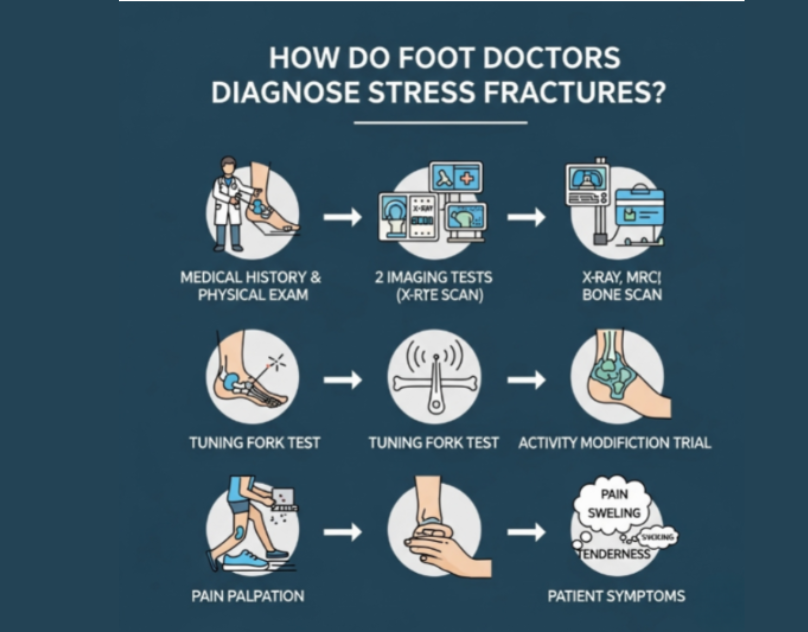
Stress fractures in the feet can be excruciating and frustrating injuries. When you're experiencing persistent foot pain that won't go away, finding the right medical professional becomes crucial. If you're searching for a Foot Clinic Tarzana CA or a qualified foot doctor, understanding how these specialists diagnose stress fractures will help you prepare for your appointment and know what to expect during the evaluation process.
What Are Stress Fractures?
Stress fractures are tiny cracks in bones that develop over time due to repetitive force or overuse. Unlike acute fractures caused by sudden trauma, these injuries occur gradually. The foot bones are particularly vulnerable because they bear your body weight during daily activities.
Athletes, military personnel, and people who suddenly increase their physical activity often develop these injuries. However, anyone can experience a stress fracture, especially those with certain risk factors like osteoporosis or improper footwear.
Common Signs That Lead Patients to Seek a Foot Doctor
Before diving into diagnostic methods, it's important to recognize when you should consult a foot doctor. Most patients visit a Foot Doctor near Tarzana, CA when they experience:
- Persistent pain that worsens with activity
- Swelling or tenderness in specific foot areas
- Pain that improves with rest but returns during movement
- Difficulty bearing weight on the affected foot
- Localized pain that feels deep within the bone
These symptoms often develop gradually, which is why many people delay seeking treatment. However, early diagnosis by the best foot doctor in Tarzana can prevent complications and speed up recovery.
The Initial Consultation Process
When you visit a Foot Clinic in Tarzana, CA, your appointment will typically begin with a comprehensive consultation. During this phase, your foot specialist will gather detailed information about your symptoms and medical history.
Medical History Review
Your doctor will ask specific questions about:
- When the pain started and how it has progressed
- Your activity level and any recent changes in your exercise routine
- Previous foot injuries or surgeries
- Current medications and supplements
- Family history of bone disorders
Physical Examination
The physical examination is crucial for identifying potential stress fractures. Your foot doctor will carefully examine your feet, looking for:
Visual indicators such as swelling, bruising, or deformity. Palpation tests to locate areas of tenderness, Range of motion assessments to evaluate joint function, and Weight-bearing evaluations to observe how you walk and distribute pressure
During palpation, the doctor applies gentle pressure to different areas of your foot. Stress fractures typically cause pinpoint tenderness directly over the fracture site. This localized pain response helps narrow down the potential location of the injury.
Advanced Diagnostic Techniques
While physical examination provides valuable information, confirming a stress fracture diagnosis usually requires imaging studies. The best foot doctor in Tarzana will use various diagnostic tools depending on your specific situation.
X-Ray Imaging
X-rays are often the first imaging study ordered when stress fractures are suspected. However, these fractures can be challenging to detect on standard X-rays, especially in the early stages.
Fresh stress fractures may not show up on X-rays for several weeks after symptoms begin. This is because the tiny cracks are often too small to visualize initially. As the body attempts to heal, changes in bone density and structure become more apparent on subsequent X-rays.
MRI Scans
Magnetic Resonance Imaging (MRI) is considered the gold standard for diagnosing stress fractures. This advanced imaging technique can detect bone changes much earlier than X-rays.MRI scans show:
- Bone marrow edema (swelling within the bone)
- Early signs of stress reactions
- The exact location and extent of fractures
- Surrounding soft tissue involvement
Many patients visiting a Foot Doctor near Tarzana, CA, benefit from MRI evaluation when X-rays are inconclusive, but clinical suspicion remains high.
Bone Scans
Nuclear bone scans involve injecting a small amount of radioactive material that accumulates in areas of increased bone activity. Stress fractures appear as "hot spots" on these scans because the body increases bone metabolism in response to injury.
While bone scans are highly sensitive for detecting stress fractures, they're less commonly used today due to the superior detail provided by MRI imaging.
CT Scans
Computed Tomography (CT) scans provide detailed cross-sectional images of bones. These scans are beneficial for evaluating complex fracture patterns or when surgical planning is necessary.
Differential Diagnosis Considerations
Experienced foot doctors understand that several conditions can mimic stress fractures. During the diagnostic process, your foot doctor will consider other possibilities such as:
- Tendonitis or tendon injuries
- Plantar fasciitis
- Neuromas or nerve entrapments
- Soft tissue injuries
- Arthritis or joint inflammation
This comprehensive approach ensures accurate diagnosis and appropriate treatment planning.
The Importance of Early Detection
Prompt diagnosis by a qualified foot doctor is essential for several reasons. Early detection allows for:
Faster healing times through appropriate rest and treatment, Prevention of complications such as complete fractures, Reduced pain and disability during the recovery period, Better long-term outcomes with proper management
Delaying treatment can lead to more severe injuries that require more extended recovery periods or even surgical intervention.
What Happens After Diagnosis?
Once your stress fracture is confirmed, your Foot Clinic, Tarzana, CA, will develop a personalized treatment plan. Treatment typically includes:
- Activity modification and rest periods
- Protective footwear or orthotics
- Gradual return to activities
- Follow-up imaging to monitor healing
- Physical therapy, when appropriate
Finding the Right Foot Specialist
When searching for the best foot doctor in Tarzana, look for professionals who:
- Have extensive experience with sports-related injuries
- Use advanced diagnostic equipment
- Offer comprehensive treatment options
- Maintain current knowledge of foot and ankle conditions
Additionally, consider factors like office location, appointment availability, and insurance acceptance when making your decision.
Conclusion
Stress fracture diagnosis requires expertise, patience, and the right diagnostic tools. By understanding the process, you can better communicate with your healthcare provider and actively participate in your recovery. If you're experiencing persistent foot pain, don't wait to seek professional evaluation. The sooner you consult with a qualified foot doctor, the faster you can return to your normal activities pain-free.
Looking for the best foot doctor in Tarzana? Check out the map to find trusted specialists near you. Get expert care for all foot conditions—your healthier steps start here!
