Top Benefits of Visiting a Certified Bunion Surgeon Early
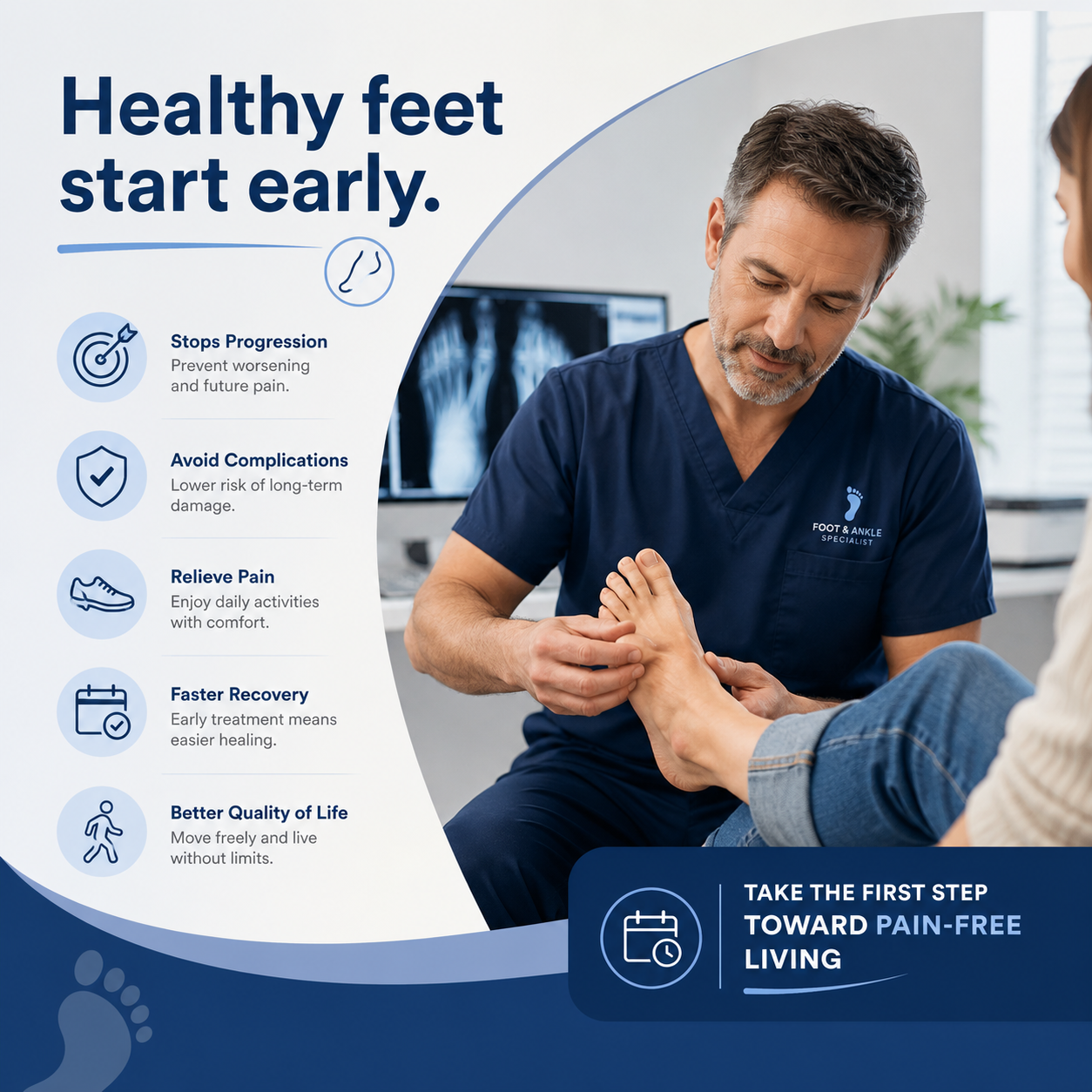
Foot pain has a way of sneaking up on you. One day it’s a minor irritation, the next you can barely squeeze into your shoes. If you’ve noticed a bony bump forming at the base of your big toe, that’s a bunion, and it rarely gets better on its own. Many people put off seeing a bunion specialist far longer than they should, hoping the problem will just go away. The truth is, early attention from qualified bunion surgeons can completely change your outcome, fewer complications, faster recovery, and a real shot at getting back to your normal life without constant foot pain.
Why Waiting Too Long Makes Things Worse?
Bunions are progressive. That small bump you’re ignoring right now is the same bump that, months or years later, can cause your big toe to push against the second toe, throw off your walking pattern, and create pain that radiates up into your knee or hip. When you delay care, you give the deformity more time to worsen. By the time some patients finally walk through the door, they’ve developed secondary problems that make treatment more involved than it would have been early on.
Seeing a foot specialist at the first sign of trouble gives your doctor a better window to catch the bunion at a manageable stage and in some cases, to help you avoid surgery altogether with the right conservative approach.
What a Certified Bunion Specialist Actually Does?
Not every foot doctor is the same. A certified bunion specialist has specific training in the structure, biomechanics, and surgical correction of the foot. When you go in early, they can:
- Assess the severity of your bunion using imaging.
- Recommend custom orthotics or shoe modifications that slow progression.
- Identify if there’s an underlying gait issue making things worse.
- Create a treatment plan that fits your activity level and lifestyle.
- Set realistic expectations about long-term outcomes.
This kind of thorough evaluation is only possible when there’s still room to work with which is another reason early visits matter so much.
When Is Surgery Actually Necessary?
This is one of the most common questions patients ask, and the honest answer is: not always right away. Certified bunion surgeons don’t jump straight to the operating room. Surgery becomes the right option when:
- Conservative treatments have stopped working.
- Pain is limiting your daily activities or sleep.
- The deformity is visibly worsening.
- You’re developing sores or difficulty walking.
If you’re in the Sherman Oaks area and wondering whether you’ve reached that point, a consultation with a local foot specialist can give you a clear picture. Searching for the best bunion surgeon near you in the early stages means you get answers before you’re in crisis mode.
The Real Advantages of Acting Early
There are several practical reasons why earlier is genuinely better not just medically, but for your quality of life:
- More treatment choices are available: Early-stage bunions respond better to non-surgical options. You may be able to manage symptoms with physical therapy, padding, or orthotics.
- Simpler surgical procedures if needed: Smaller bunions typically require less involved surgery, shorter incisions, and a faster recovery period.
- Lower risk of complications: Advanced bunion deformities are more technically challenging to correct and carry a higher chance of complications during and after surgery.
- Faster return to activity: Patients who address the issue early tend to bounce back quicker, whether they go the surgical route or not.
- Better long-term foot health: Left untreated, bunions can cause arthritis in the joint and change the way you walk permanently. Catching it early protects the joint and surrounding tissue.
Choosing the Right Surgeon in Sherman Oaks
If you live in or around Sherman Oaks, CA, you’re in a good position there are skilled foot and ankle specialists in the area. But not all of them specialize in bunion correction at the same level. When comparing bunion surgery Sherman Oaks CA providers, here’s what to look for:
- Board certification in foot and ankle surgery
- Documented experience with bunion correction procedures
- Clear communication style you should never feel rushed or dismissed.
- A clinic that uses updated imaging and technology
- Honest conversations about what to expect before and after surgery
Reading patient reviews and asking for a second opinion when needed are both completely reasonable things to do. A confident, experienced surgeon welcomes those questions rather than discourages them.
What Recovery Looks Like When You Plan Ahead?
One thing people underestimate is how much the timing of surgery affects recovery. When bunion surgeons operate on a less progressed deformity, recovery tends to go more smoothly. The bone correction is smaller, the soft tissue trauma is less, and patients often regain comfortable walking sooner. Planning ahead knowing your work schedule, setting up your home for limited mobility, and understanding the physical therapy process makes a measurable difference in how well you do post-surgery.
Frequently Asked Questions
1. How do I know if I need a bunion specialist or just a general podiatrist?
If you have a visible bump on your big toe joint, ongoing discomfort, or difficulty wearing regular shoes, it’s worth seeing a bunion specialist rather than a general practitioner. Specialists have focused training in bunion correction and can give you more accurate guidance on treatment options.
2. Is bunion surgery always painful and long to recover from?
Recovery varies based on the type of procedure and how advanced the bunion was before surgery. Less severe bunions typically require simpler surgical corrections, which often means less post-operative pain and a shorter recovery window compared to more complex cases.
3. Can bunions come back after surgery?
Recurrence is possible, particularly if the underlying cause such as your foot structure or footwear habits isn’t addressed. A good bunion surgeon will talk through preventive measures to reduce the chances of the deformity returning after correction.
4. What should I expect at my first consultation with a bunion surgeon in Sherman Oaks, CA?
Your first visit typically includes a physical exam, X-rays to assess the joint and bone alignment, and a conversation about your symptoms, lifestyle, and goals. The goal is to understand where you are before recommending any specific treatment path.
5. Are there non-surgical options that actually work for bunions?
Yes, especially in the early stages. Orthotics, anti-inflammatory care, toe spacers, and proper footwear can reduce discomfort and slow progression. These options are most effective when the bunion is caught early, which is why seeing a specialist sooner rather than later gives you more choices.
If foot pain is already starting to affect how you move through your day, this is the right moment to act. Reaching out to a certified bunion specialist in Sherman Oaks, CA doesn’t commit you to anything; it simply gives you the information you need to make a smart, confident decision about your foot health before the problem has the chance to take more from you.
