Sprained vs. Broken Ankle: When to Visit an Orthopedic Ankle Specialist Near Lancaster, CA
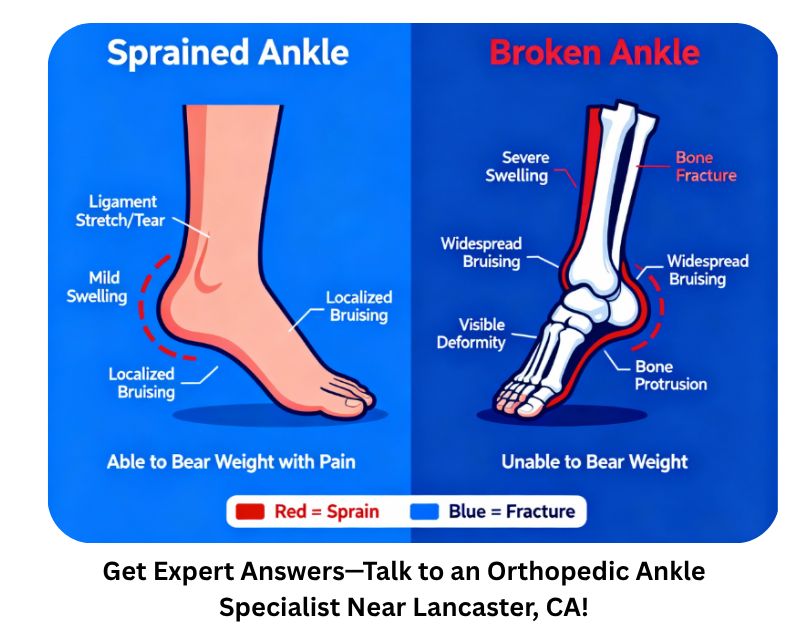
Ankle injuries happen more often than you might think. Whether you've twisted your ankle while hiking in the nearby Antelope Valley or stepped awkwardly during a basketball game, the pain can be immediate and concerning. Many people struggle to determine whether they're dealing with a sprain or a fracture. Understanding the difference between these two injuries is crucial for getting the proper treatment. If you're experiencing severe ankle pain, consulting an orthopedic ankle specialist near Lancaster, CA can provide the expert diagnosis and care you need to recover properly.
Understanding Ankle Sprains
An ankle sprain occurs when the ligaments that support your ankle stretch or tear. Ligaments are tough bands of tissue that connect bones and help stabilize joints. Most ankle sprains happen when your foot rolls inward or twists unexpectedly, causing the ligaments on the outside of your ankle to overextend.
Common Causes of Ankle Sprains
People typically sprain their ankles during physical activities, although it can also happen during everyday movements. Walking on uneven surfaces, stepping off a curb awkwardly, or landing incorrectly after a jump are common scenarios that can lead to injury. Athletes who participate in sports that involve quick direction changes, such as soccer or tennis, are at a higher risk of ankle sprains.
Symptoms of a Sprained Ankle
When you sprain your ankle, you'll likely notice several telltale signs:
- Swelling around the ankle joint that develops quickly
- Bruising that may appear hours after the injury
- Tenderness when touching the affected area
- Limited range of motion making it difficult to move your foot
- Instability or a feeling that your ankle might give out
- Pain that worsens when you put weight on the foot
The severity of these symptoms depends on the grade of your sprain. Grade I sprains involve mild stretching of the ligaments, while Grade III sprains indicate complete tears that may require more intensive treatment.
Recognizing a Broken Ankle
A broken ankle, also called an ankle fracture, means one or more of the bones in your ankle joint have cracked or broken entirely. The ankle consists of three bones: the tibia (shinbone), fibula (the smaller bone in your lower leg), and talus (the bone that sits between your heel and the tibia and fibula). Fractures can range from tiny stress fractures to severe breaks where the bone pierces through the skin.
What Causes Ankle Fractures
High-impact trauma typically causes ankle fractures. Car accidents, falls from heights, or severe twisting injuries can break ankle bones. Additionally, people with osteoporosis or other bone-weakening conditions face increased fracture risks even from minor incidents.
Signs You May Have Broken Your Ankle
Broken ankles often share symptoms with severe sprains, which is why professional evaluation is essential. However, sure signs suggest a fracture:
- Immediate, severe pain that feels different from typical soreness
- Inability to bear weight on the affected foot at all
- Visible deformity where the ankle looks misshapen or out of place
- Bone protrusion through the skin in severe cases
- Numbness or tingling in your foot or toes
- Excessive swelling that happens very rapidly
Furthermore, you might hear a snapping or popping sound at the moment of injury, though this can occur with severe sprains as well.
Key Differences Between Sprains and Fractures
While both injuries cause pain and swelling, several factors can help distinguish between them. Fractures typically produce more severe, sharp pain that feels deep in the bone. Sprains usually cause pain that feels more surface-level and improves somewhat with rest.
The location of pain matters too. Sprains hurt most over the ligaments on the sides of your ankle, whereas fractures cause intense pain directly over the bone. If you can put some weight on your foot, even with discomfort, you're more likely dealing with a sprain. Conversely, complete inability to bear weight often indicates a fracture.
When to Seek Professional Medical Care?
Some ankle injuries can be treated effectively with home care, while others require professional attention. You should visit a healthcare provider if:
- Pain and swelling don't improve after 48 to 72 hours
- You cannot walk more than four steps without severe pain
- Your ankle looks deformed or misaligned
- You experience numbness anywhere in your foot
- The skin around your ankle changes color dramatically
- You hear a popping sound during the injury
These symptoms suggest you need evaluation from an orthopedic ankle specialist near Lancaster, CA who can properly diagnose your injury and create an appropriate treatment plan.
Benefits of Seeing an Orthopedic Specialist
While your primary care doctor can handle minor ankle issues, orthopedic specialists focus specifically on musculoskeletal injuries. They have advanced training in diagnosing and treating complex bone, joint, and ligament problems. An orthopedic ankle specialist brings specialized expertise that can make a significant difference in your recovery.
Advanced Diagnostic Tools
Orthopedic specialists have access to imaging technology that provides detailed views of the internal structures of your ankle. X-rays reveal bone fractures and alignment issues. MRI scans reveal soft tissue damage, such as ligament tears. CT scans offer three-dimensional images for complex fractures. These tools help specialists develop precise treatment strategies.
Comprehensive Treatment Options
Beyond basic care, orthopedic specialists offer a range of treatment options. They can perform minimally invasive procedures, provide custom orthotics, recommend targeted physical therapy programs, or perform surgery when necessary. Their experience with countless ankle injuries means they've seen cases similar to yours and know which treatments work best.
What to Expect During Your Visit?
When you visit an orthopedic ankle specialist near Lancaster, CA, the appointment typically follows a structured process. First, the specialist will discuss your injury in detail, asking about how it happened, what symptoms you're experiencing, and how the injury affects your daily activities. Next, a physical examination is conducted, during which the doctor carefully examines various areas of your ankle, assesses your range of motion, and tests your ability to bear weight. This hands-on evaluation provides valuable insights into the nature and severity of the injury.
If needed, the specialist will order imaging tests. X-rays are standard for suspected fractures, while additional scans might be necessary for complex cases. Once the specialist has all the information, they'll explain your diagnosis in clear terms and discuss treatment options with you.
Treatment Approaches for Ankle Injuries
Treatment varies significantly depending on whether you have a sprain or a fracture, as well as the severity of the injury.
Managing Ankle Sprains
Mild to moderate sprains often respond well to conservative treatment. The RICE method forms the foundation of sprain care:
- Rest your ankle by avoiding activities that cause pain
- Ice the injury for 15-20 minutes several times daily
- Compress the ankle with an elastic bandage
- Elevate your foot above heart level when sitting or lying down
Additionally, over-the-counter pain medications can help manage discomfort. Your specialist might recommend a walking boot or brace to protect the ankle while it heals. Physical therapy exercises strengthen the surrounding muscles and restore standard movement patterns.
Treating Broken Ankles
Fracture treatment depends on the type and location of the break. Simple fractures where bones remain aligned might heal with immobilization using a cast or boot. You'll need to avoid putting weight on the ankle for several weeks while the bone knits back together.
More complex fractures may require surgery. During the procedure, the surgeon realigns the bone fragments and secures them with metal plates, screws, or rods. Surgery allows for more precise healing and better long-term outcomes for severe breaks. Recovery from surgical repair takes longer but often results in stronger, more stable ankles.
The Importance of Proper Rehabilitation
Whether you have a sprain or a fracture, rehabilitation plays a crucial role in full recovery. Rushing back to activities too quickly increases your risk of re-injury or chronic ankle problems. Physical therapy helps rebuild strength, flexibility, and balance that may have diminished during your recovery period.
Your therapist will guide you through progressive exercises that gradually challenge your ankle without overloading healing tissues. These exercises include ankle pumps, resistance band work, balance training, and eventually sport-specific movements if you're an athlete.
Finding Care in Lancaster, CA
Lancaster residents have access to high-quality orthopedic care without needing to travel to Los Angeles or other distant cities. Local specialists understand the unique needs of the Antelope Valley community and provide convenient appointment scheduling for working families.
When choosing a specialist, consider factors like experience with ankle injuries specifically, patient reviews, accepted insurance plans, and office location. Don't hesitate to ask questions about the doctor's training, treatment philosophy, and expected recovery timelines.
Preventing Future Ankle Injuries
After recovering from an ankle injury, taking preventive measures helps protect against future problems. Wearing appropriate footwear for your activities provides essential support and stability. Shoes with good arch support and stable heel counters can help reduce the risk of injury.
Maintaining strong leg and ankle muscles through regular exercise creates a natural protective barrier. Balance exercises improve proprioception—your body's awareness of its position—which helps you react quickly to prevent falls and other injuries.
Moreover, warming up properly before physical activities prepares your muscles and joints for movement. Gradually increasing activity intensity rather than jumping into strenuous exercise also protects your ankles from overuse injuries.
