Should Athletes Seek Plantar Fasciitis Treatment Lancaster for Recurring Pain?
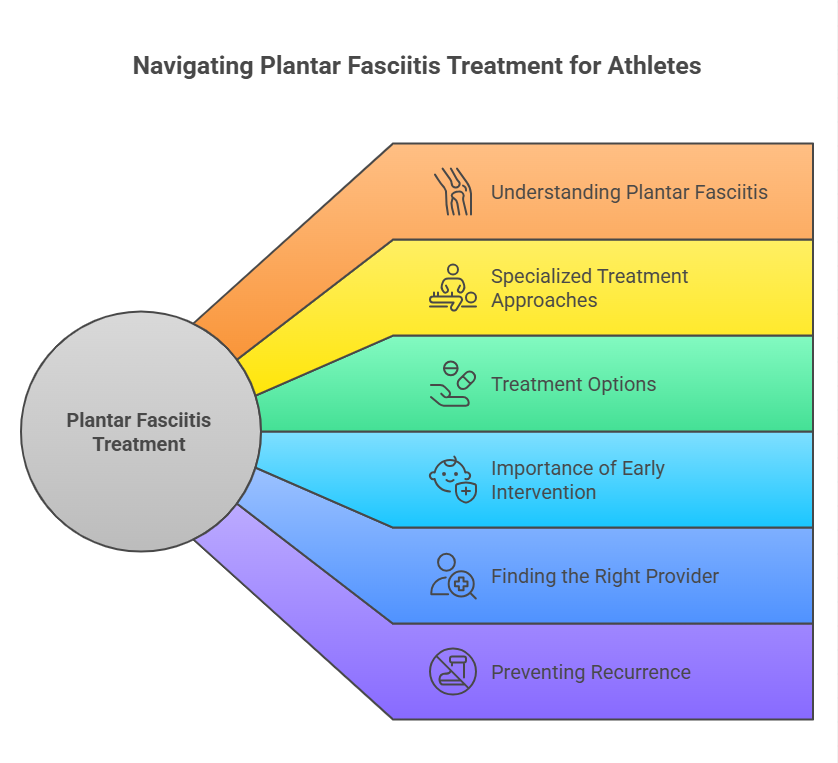
Athletes know the frustration of dealing with persistent foot pain. When every step feels like a knife stabbing your heel, it’s time to take action. Plantar Fasciitis Treatment Lancaster offers specialized care for runners, basketball players, and other active individuals who refuse to let foot pain sideline their performance. Understanding when to seek professional help can make the difference between a quick recovery and months of chronic discomfort.
Understanding Plantar Fasciitis in Athletic Performance
Plantar fasciitis develops when the thick band of tissue running across the bottom of your foot becomes inflamed. This condition affects approximately 10% of the general population, but athletes face even higher risks due to repetitive stress on their feet. The plantar fascia acts as a shock absorber, supporting the arch of your foot during movement. For athletes, the warning signs often appear gradually.
Morning stiffness that improves with movement represents one of the earliest indicators. However, many athletes push through this discomfort, believing rest alone will solve the problem. Unfortunately, ignoring these symptoms typically leads to more severe complications.
Common Symptoms Athletes Experience
Recognizing the signs early allows for faster intervention. Athletes dealing with plantar fasciitis often report:
- Sharp, stabbing pain in the heel during the first steps of the day
- Increased discomfort after intense training sessions or competitions
- Pain that worsens after standing for extended periods
- Tenderness along the arch of the foot
- Stiffness that limits ankle flexibility
These symptoms shouldn’t be dismissed as normal training soreness. When pain persists beyond a few days, professional evaluation becomes necessary.
Why Athletes Need Specialized Treatment Approaches?
Generic treatment plans rarely address the unique demands placed on athletic feet. Plantar Fasciitis specialists in Lancaster, CA understand the biomechanics of sports-specific movements. They develop customized rehabilitation programs that take into account training schedules, competition timelines, and performance goals. Professional treatment goes beyond simple rest recommendations. Sports medicine experts utilize advanced diagnostic tools to identify contributing factors such as gait abnormalities, muscle imbalances, or improper footwear. This comprehensive approach targets the root cause rather than merely masking symptoms.
Moreover, specialized care helps athletes return to their sport safely. Rushing back to activity without proper healing increases the risk of chronic plantar fasciitis, which can plague athletes for years. Evidence-based treatment protocols accelerate recovery while preventing re-injury.
Treatment Options Available for Athletes
Modern Plantar Fasciitis Treatment Lancaster encompasses various therapeutic modalities. Each approach serves a specific purpose in the healing process, and many athletes benefit from combination therapy.
Non-Invasive Treatment Methods
Conservative treatments form the foundation of plantar fasciitis care. These methods include:
- Physical therapy exercises targeting foot and calf strength
- Custom orthotics designed for athletic footwear
- Extracorporeal shock wave therapy (ESWT) to stimulate healing
- Night splints that maintain proper foot positioning during sleep
- Graston technique and other soft tissue mobilisation methods
Physical therapists work closely with athletes to modify training intensity. They introduce progressive loading exercises that rebuild strength without aggravating the injury. This gradual approach prevents setbacks while maintaining cardiovascular fitness through alternative activities.
Advanced Treatment Protocols
When conservative methods prove insufficient, more advanced interventions become available. Platelet-rich plasma (PRP) injections harness the body’s natural healing factors to repair damaged tissue. Similarly, corticosteroid injections can reduce severe inflammation, though specialists use these judiciously due to potential side effects.
Some athletes benefit from minimally invasive procedures like ultrasound-guided percutaneous tenotomy. This technique removes damaged tissue while preserving healthy plantar fascia. Recovery times vary, but many athletes return to competition within months rather than continuing to suffer for years.
The Importance of Early Intervention
Delaying treatment transforms a manageable condition into a chronic problem. Research shows that early intervention significantly improves outcomes for patients with plantar fasciitis. Athletes who seek care within the first few weeks of symptom onset typically recover faster than those who wait months.
Chronic plantar fasciitis changes how athletes move. Compensatory patterns develop as the body tries to avoid painful movements. These alterations can lead to secondary injuries in the knees, hips, or lower back. Therefore, addressing foot pain promptly protects the entire kinetic chain.
Furthermore, early treatment preserves training consistency. Athletes can often continue modified activities while undergoing therapy. This approach maintains fitness levels and mental engagement with their sport, which proves crucial for competitive athletes.
Finding the Right Treatment Provider in Lancaster
Plantar Fasciitis Lancaster, CA offers numerous healthcare providers, but not all possess equal expertise in treating athletic injuries. Athletes should seek providers who specialize in sports medicine and understand the demands of competitive training. Qualified specialists typically hold additional certifications in sports physical therapy or orthopedic medicine. They stay current with the latest research and treatment techniques. Additionally, experienced providers maintain relationships with local coaches and training facilities, facilitating better communication about return-to-play protocols. When evaluating potential treatment providers, athletes should consider:
- Years of experience treating sports-related plantar fasciitis
- Availability of advanced diagnostic equipment
- Success rates with similar athletic populations
- Treatment philosophy regarding rest versus modified activity
- Insurance acceptance and payment options
Reading patient reviews and seeking referrals from other athletes provides valuable insights. However, personal consultation remains the best way to assess whether a provider’s approach aligns with individual needs and goals.
Preventing Recurrence Through Proper Management
Recovery doesn’t end when pain subsides. Athletes must implement long-term strategies to prevent plantar fasciitis from returning. Consistent foot care becomes part of the training routine, just like strength work or cardiovascular exercise. Proper footwear selection plays a critical role in prevention. Shoes should match the athlete’s sport, foot type, and training surface. Running shoes typically need to be replaced every 300-500 miles, as cushioning degrades over time. Athletes who train on multiple surfaces may need sport-specific footwear for different activities. Gradual training progression also protects against recurrence. Sudden increases in mileage, intensity, or training frequency stress the plantar fascia beyond its capacity. Following the 10% rule—increasing weekly training volume by no more than 10%—helps tissues adapt safely.
Maintenance Exercises for Long-Term Health
Incorporating daily stretching and strengthening exercises maintains foot health. Simple routines take just 10-15 minutes but yield significant benefits. Key exercises include:
- Calf stretches against a wall, holding for 30 seconds.
- Towel curls to strengthen intrinsic foot muscles
- Marble pickups using only the toes
- Plantar fascia stretches using a resistance band.
- Balance exercises on one foot to improve stability
These exercises improve foot mechanics and reduce the risk of injury. Athletes who maintain these routines report fewer flare-ups and better overall foot function.
The Cost of Untreated Plantar Fasciitis
Ignoring plantar fasciitis carries both financial and personal costs. Without proper treatment, this condition can persist for 18 months or longer. During this time, athletes face reduced performance, missed competitions, and potential career setbacks. The economic burden extends beyond medical expenses. Lost training time, reduced sponsorship opportunities, and diminished competitive results affect athletes at all levels. For professional and collegiate athletes, prolonged injury can derail entire seasons or scholarship opportunities.
Mental health consequences shouldn’t be overlooked either. Chronic pain affects mood, sleep quality, and overall well-being. Athletes often experience frustration and anxiety about their uncertain recovery timeline. Professional treatment addresses these psychological aspects alongside physical healing.
Making the Decision to Seek Treatment
Athletes face a crucial choice when recurring heel pain disrupts their training. Continuing to train through pain rarely resolves plantar fasciitis and often worsens the condition. Professional Plantar Fasciitis Treatment provides the expertise needed to return to sport safely and efficiently.
The decision to seek treatment demonstrates commitment to long-term athletic success rather than short-term convenience. Working with qualified specialists accelerates healing, prevents complications, and establishes protective habits for future training. Athletes who prioritize proper care often discover they return stronger and more resilient than before their injury.
Local treatment options in Plantar Fasciitis make accessing care convenient. Athletes don’t need to travel far to receive quality treatment that fits their schedules and budgets. With the right support, plantar fasciitis becomes a temporary setback rather than a career-threatening condition.For more information on managing sports injuries effectively, check out these helpful resources:
- Understanding Common Athletic Foot Injuries
- Recovery Strategies for Active Individuals
- Preventing Overuse Injuries in Training
Taking action today protects tomorrow’s performance. Whether training for a marathon, competing in team sports, or simply staying active, addressing plantar fasciitis promptly ensures athletes can pursue their passions without limitation.
