Choosing the Right Footwear for Bunions Before & After Surgery
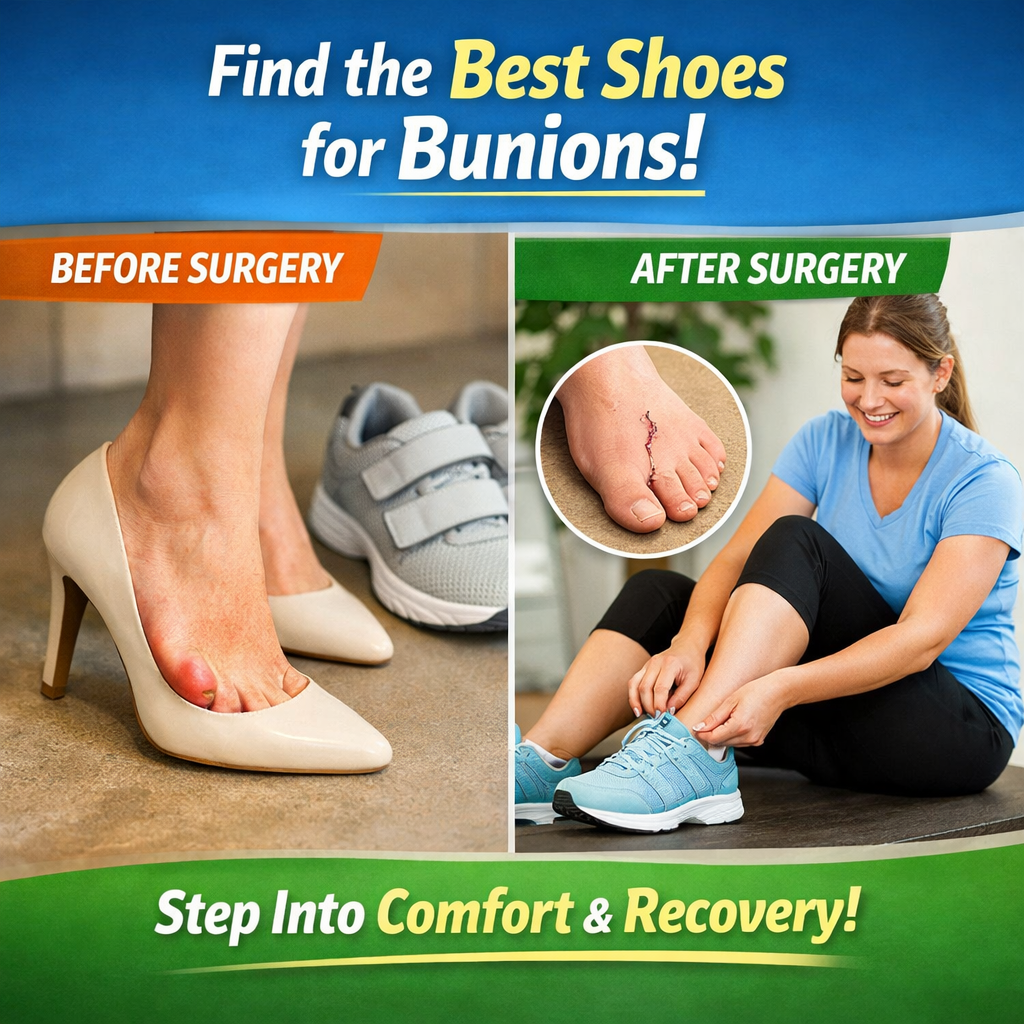
Living with a bunion is not just about the bump you see, it is the daily pain, the shoes that no longer fit, and the constant second-guessing every time you walk into a store. Whether you are managing the discomfort right now or planning to meet a bunion specialist near you for a surgical consultation, the footwear you choose plays a huge role in how you feel and how well you heal. This guide breaks down exactly what to look for at every stage, so you can stop guessing and start walking comfortably again.
Why Do the Wrong Shoes Make Bunions So Much Worse?
Most people do not realize that their shoes are not just causing pain, they are actively pushing the big toe joint further out of alignment. Narrow toe boxes, high heels, and stiff soles are the three biggest culprits. Over time, this pressure speeds up the progression of the bunion, making surgery more likely and recovery harder.
What your feet actually need:
- A wide, rounded toe box that does not squeeze the toes together
- Soft, flexible uppers that do not rub against the bony bump
- Low or flat heels that keep weight evenly distributed
- Cushioned insoles that absorb shock and reduce joint pressure
- Adjustable closures (like straps or laces) for a customized fit
Stiff, pointed shoes may look polished, but they are doing real damage to bunion patients every single day.
What to Wear Before Surgery - Managing Pain Day to Day?
If you are still in the pre-surgery phase, your goal is simple: reduce irritation and slow down progression. You do not need to sacrifice style entirely, but you do need to be smart about it.
Footwear that works well before surgery:
Roomy athletic sneakers are a great starting point. Look for brands that offer wide-width options that give the joint space to breathe without constantly being rubbed.
Orthopedic sandals with arch support are another solid choice for warmer months because they keep pressure off the bump entirely.
Avoid anything with a pointed toe, a heel over one inch, or a tight fabric upper. Even dress shoes that feel okay at first can cause serious swelling by the end of the day.
Many patients who visit the best bunion surgeon near West Hills come in having already tried conservative options, better shoes, bunion pads, and custom orthotics. These steps matter and can delay the need for surgery in some cases.
Footwear Right After Bunion Surgery What Changes
Post-surgery is a whole different situation. Your foot is healing, swollen, and sensitive. The foot care decisions you make in the weeks right after the procedure can directly impact how well the correction holds long-term.
The first few weeks: Your surgeon will likely provide a surgical shoe or boot. Do not try to replace these with your regular shoes early. The structured support keeps the bone in the corrected position while tissue heals around it.
Weeks 4 through 8: Wide, soft, slip-on footwear becomes your best friend. Many patients transition into extra-wide sneakers or recovery sandals during this phase. The key is zero pressure on the surgical site.
After clearance from your doctor: This is when you slowly reintroduce regular shoes but the rules have changed permanently. Your foot has been realigned, and putting it back into tight footwear is the fastest way to undo the progress.
Finding a “Bunion Specialist Near You” in the West Hills Area
If you are still weighing your options, the map below shows podiatrists and foot care specialists near West Hills, CA, who handle both conservative bunion care and surgical correction. Booking a consultation early gives you a clear picture of where your bunion stands and what the realistic path forward looks like. Bunion Specialists Near West Hills, CA
Shoes That Are Worth Considering Long Term
Once you are fully healed and cleared, these features should become non-negotiable in every pair of shoes you buy:
- A true wide-width fit (not just marketed as wide)
- Deep toe box with at least half an inch of space above the toes
- Removable insoles so you can add custom orthotics if needed
- Shock-absorbing midsoles for everyday walking comfort
- Breathable materials that prevent friction and swelling
What to avoid long term: Stilettos, narrow fashion heels, and tight-fitting dress shoes are off the table. The good news is that the footwear market has changed. There are plenty of stylish, bunion-friendly options that do not look clinical.
What the Best Bunion Surgeon Near West Hills Will Tell You About Shoes?
Surgeons who specialize in bunion correction do not just fix the bone they look at the whole picture. The best bunion surgeon near West Hills will review your footwear habits, gait, and lifestyle before recommending a surgical plan. They know that surgery on its own is not a permanent fix if the patient goes right back to wearing the wrong shoes.
A good foot surgeon will walk you through:
- Which shoe styles are safe post-op, and which ones are not
- Whether custom orthotics make sense for your foot type
- How to transition back into physical activity after healing
- What warning signs should you watch for if something does not feel right
Listening to this guidance is just as important as the procedure itself.
Frequently Asked Questions
Q1: Can wearing the right shoes actually prevent bunion surgery?
In some cases, yes but it depends on how far the bunion has progressed. The right footwear can slow progression, reduce daily pain, and improve quality of life significantly. However, if the joint has already shifted considerably, surgery may still be the most effective long-term solution. A podiatrist can give you an honest assessment based on X-rays.
Q2: How soon after bunion surgery can I wear regular shoes?
Most patients are cleared to wear wide, soft regular shoes around 6 to 8 weeks post-surgery. Full return to all shoe types can take 4 to 6 months, depending on the procedure and individual healing. Your surgeon will set the timeline based on how your bone and soft tissue are recovering.
Q3: Are bunion-correcting splints or pads helpful?
Bunion pads can reduce friction and make daily walking more comfortable before surgery. Splints worn at night may offer some temporary relief, but they do not correct the underlying bone deformity. Think of them as pain management tools, not a cure.
Q4: What type of shoes should I buy for post-surgery recovery?
Look for extra-wide slip-on sneakers, recovery sandals with adjustable straps, or diabetic-style shoes with deep, wide toe boxes. Avoid any shoe that puts pressure on the ball of the foot or the inner edge of the big toe during the healing phase.
Q5: How do I find a trusted bunion specialist near me in the West Hills area?
Start by searching for board-certified podiatrists or orthopedic foot surgeons with specific experience in bunion correction. Look for practices with strong patient reviews, before-and-after outcomes, and surgeons who take time to explain your options. The map above highlights well-reviewed foot care providers near West Hills, CA, to help you get started.
Getting bunion care right is a two-part process: the right medical team and the right footwear. If your feet have been hurting long enough, it is time to stop putting it off. Book a consultation with a qualified foot specialist near you, ask the hard questions, and start choosing shoes that actually support your health, not just your outfit.
