When Should You See a Doctor for Feet for Flat Feet or Fallen Arches?
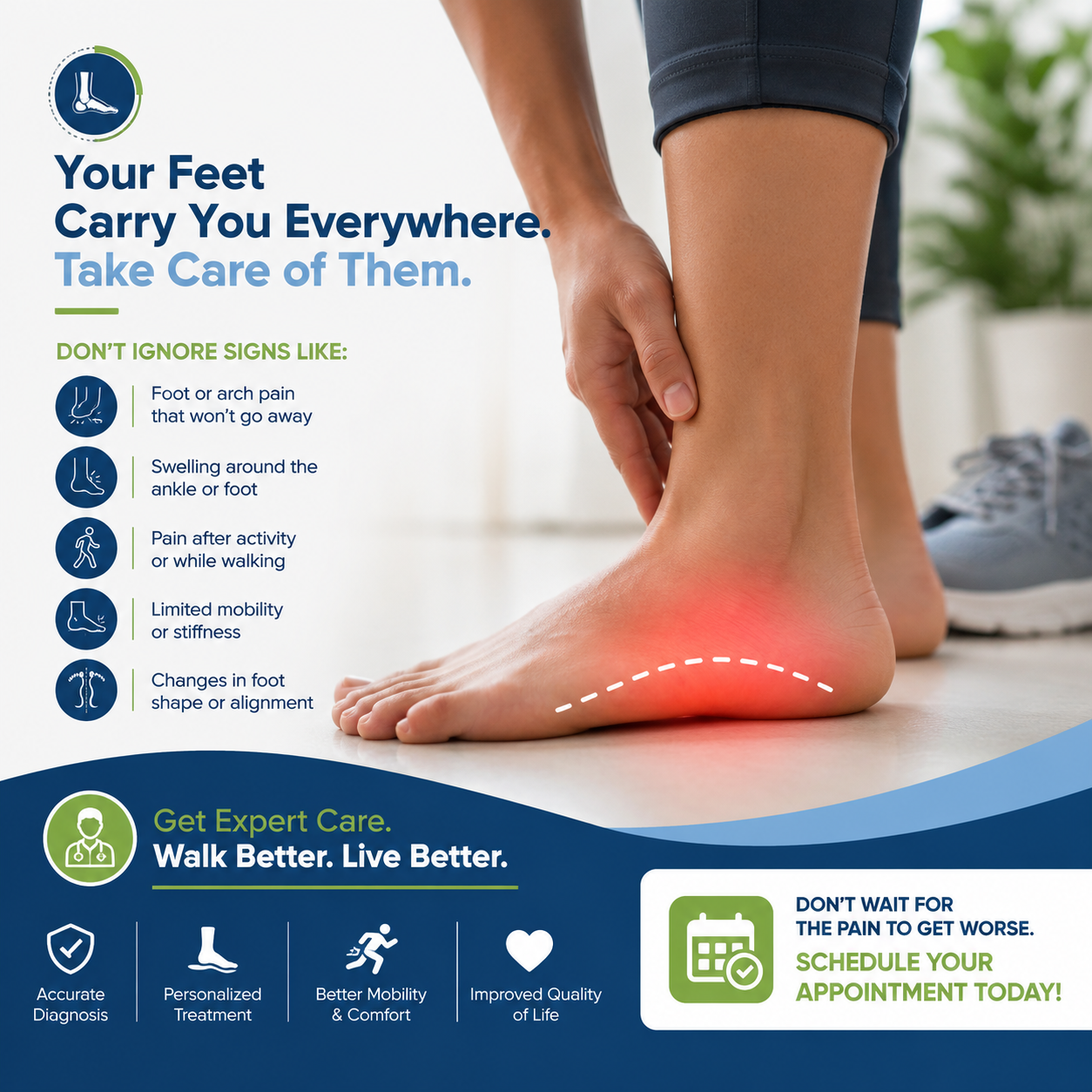
Flat feet or fallen arches affect millions of people, yet most brush off the discomfort as something they simply have to live with. That thinking can be costly. Whether you've noticed gradual pain, visible arch collapse, or increasing fatigue after walks, knowing when to consult a doctor for feet can prevent long-term damage. This guide breaks down the real warning signs, what to expect from professional care, and how the right specialist can genuinely transform your daily quality of life.
What Are Flat Feet and Why Do They Matter?
Flatfoot happens when there is a lack of development or loss of the foot arch. It can range from a barely noticeable condition to one in which it causes severe pain and limits movement. Fallen arches, another similar term, are often used to refer to cases where a previously healthy arch becomes compromised because of an injury or other factors such as aging, obesity, and stress.
The significance of the condition lies in the impact that it can have on the rest of the body since it can create a domino effect. Your feet serve as the base of your whole musculoskeletal system, and any dysfunction in your arch can have repercussions all the way up to your spine.
Signs That Indicate You Should Stop Waiting
Many people assume flat feet are a cosmetic issue or a minor inconvenience. But certain symptoms clearly signal that it's time to stop guessing and start getting answers from a professional.
Watch out for these red flags:
- Pain or aching in the arch, heel, or along the inner ankle that doesn't improve with rest
- Swelling on the inside of the ankle or foot
- Feet that tire quickly, even on short walks
- One foot that appears flatter than the other
- Difficulty standing on your toes
- Pain that radiates into the lower leg, knee, or lower back
- Shoes that wear unevenly, particularly on the inner sole
- Stiffness or reduced range of motion in the foot
If more than two of these apply to you consistently, that's your body asking for professional attention, not another pair of cushioned insoles.
How Does a Foot Specialist Actually Help?
A certified doctor for feet brings more to the table than a general practitioner can when it comes to structural foot conditions. Podiatrists and orthopedic foot specialists are trained to evaluate gait mechanics, arch structure, soft tissue integrity, and bone alignment with clinical precision.
During a typical evaluation, a specialist will:
- Conduct a biomechanical gait analysis to see how your feet move under load
- Review your medical history and lifestyle patterns
- Use imaging like X-rays or MRI to assess structural changes
- Measure the degree of arch collapse
- Check for related conditions such as plantar fasciitis, posterior tibial tendon dysfunction, or arthritis
From that assessment, a personalized treatment plan is developed. This isn't a one-size-fits-all approach. Treatment may range from custom orthotics and targeted physical therapy to bracing, anti-inflammatory care, or in more serious cases, surgical correction.
Who Is Most at Risk and Shouldn't Wait?
While flat feet can affect anyone, certain groups are at significantly higher risk of experiencing serious complications if they delay care.
You should prioritize seeing a Foot Specialist Woodland Hills or a qualified podiatrist if you fall into any of these categories:
- Adults over 40 experiencing a sudden change in arch height
- People with diabetes or peripheral vascular disease
- Individuals carrying excess weight that puts additional strain on foot structure
- Athletes or people with physically demanding jobs who are experiencing recurring lower body injuries
- Anyone who has experienced a foot or ankle injury that seemed to trigger the issue
- Children showing persistent toe-walking or frequent complaints of leg and foot pain
Pediatric flat feet deserve particular attention. While it is normal for children under age 6 to have flat-looking feet, persistent flatness beyond that age, especially when accompanied by pain or difficulty running, warrants a specialist consultation.
What Happens When You Ignore the Symptoms?
Postponing care almost always makes the problem more complex and expensive to treat. When the posterior tibial tendon, the key structure supporting the arch, is under prolonged stress without intervention, it can progressively tear. Once that happens, conservative treatment options narrow significantly and surgical correction becomes more likely.
Beyond the tendon itself, untreated flat feet often accelerate joint degeneration in the knees and hips. It's not uncommon for someone to seek knee pain treatment only to discover the root cause traces back to uncorrected arch dysfunction years earlier.
The earlier a doctor for feet identifies and addresses the structural issue, the broader the treatment options remain and the better the long-term outcomes.
Modern Treatment Options That Go Beyond Insoles
There has been great evolution in flat foot treatments over time. Modern day experts can now offer regenerative medicine treatments, 3D foot scanning technology in orthotic shoe insoles, minimally invasive surgery and evidence-based physical therapies targeting the specific muscles and tendons required to maintain arches.
Custom made orthotics have proven to be a great advancement especially for those who were using over the counter insoles but were not effective due to the lack of personalization. Custom made orthotics differ from generic insoles in the way that they provide pressure distribution in addition to maintaining alignment of your feet.
Physical therapy is another aspect which has demonstrated good clinical outcomes, particularly with the help of orthotics.
Questions Worth Asking During Your First Visit?
Going in prepared helps you get more from your appointment. Consider asking your specialist about the progression of your specific condition, whether your symptoms suggest tendon involvement, and what the realistic recovery timeline looks like with consistent treatment.
If you're in the greater Los Angeles area, seeking out a Foot Specialist in Woodland Hills with experience in biomechanical evaluation ensures your care is both clinically sound and locally accessible. Don't wait until the pain becomes the centerpiece of your day. Schedule a consultation, get a proper diagnosis, and take the first step, quite literally, toward moving without limits.
