When Is It Time to Replace Your Custom Orthotics from a Podiatrist?
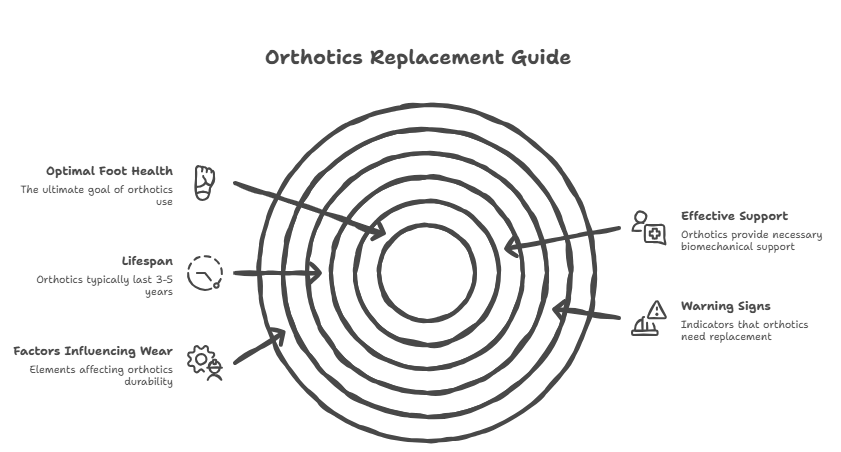
Custom orthotics can be life-changing devices for people dealing with foot pain, alignment issues, or mobility challenges. When prescribed by a qualified podiatrist, these specialized inserts provide targeted support that over-the-counter insoles simply cannot match. However, like any medical device, orthotics don’t last forever. A podiatric surgeon or foot and ankle surgeon will tell you that knowing when to replace them is crucial for maintaining optimal foot health and preventing new problems from developing. Understanding the lifespan of your custom orthotics helps you avoid discomfort and potential injuries caused by worn-out inserts. Moreover, recognizing the warning signs early allows you to schedule a timely appointment with your healthcare provider before minor issues escalate into major concerns.
Understanding Custom Orthotics and Their Lifespan
Custom orthotics are medical-grade devices specifically designed to address your unique foot structure and biomechanical needs. Unlike generic shoe inserts found in stores, these are crafted from precise measurements and assessments by a podiatrist. The materials used typically include rigid plastics, soft foam compounds, or a combination of both, depending on your specific condition. Most custom orthotics last 3 to 5 years with proper care and regular use. Nevertheless, this timeframe can vary significantly based on several factors. Your activity level plays a substantial role—athletes and people who spend long hours on their feet will naturally wear through their orthotics faster than sedentary individuals. Additionally, body weight changes, alterations in foot structure, and the quality of materials used all influence how long your orthotics remain effective.
Clear Signs Your Orthotics Need Replacement
Physical Wear and Visible Damage
The most obvious indicator that replacement time has arrived is visible deterioration. Check your orthotics regularly for cracks, tears, or compression in the cushioning materials. When the top cover becomes worn through, exposing the underlying layers, it’s definitely time for new ones. Similarly, if the edges have become frayed or the device has developed a permanent bend or warp, continuing to use them could actually harm your feet rather than help them.
Uneven wear patterns also signal a problem. If one side appears significantly more compressed than the other, your orthotics are no longer providing balanced support. This imbalance can lead to compensatory changes in your gait, potentially causing pain in your knees, hips, or lower back.
Return of Pain or Discomfort
Perhaps the most important warning sign is the gradual return of symptoms that your orthotics originally helped resolve. When foot pain, arch discomfort, or heel soreness starts creeping back despite regular orthotic use, the devices have likely lost their corrective properties. This happens because the materials break down over time, losing their ability to properly support and align your feet.
Furthermore, new pain in areas that weren’t problematic before can indicate that your orthotics have worn unevenly. For instance, developing knee pain or hip discomfort when you previously had none might mean your orthotics are no longer maintaining proper alignment throughout your lower body’s kinetic chain.
Changes in Fit and Function
Your orthotics should fit snugly in your shoes without sliding around or causing bunching. When they start moving excessively during walking or running, they’ve lost their original shape and can no longer perform their intended function. Additionally, if you notice your orthotics no longer fit comfortably in shoes where they previously worked well, this suggests significant structural changes have occurred.
Factors That Accelerate Orthotic Wear
Activity Level and Usage Patterns
High-impact activities such as running, jumping, or sports participation place significant stress on orthotics. Athletes should expect to replace their custom devices more frequently than the average user—sometimes as often as every one to two years. Similarly, people whose jobs require extensive standing or walking will notice faster deterioration compared to those with desk jobs. The environment where you use your orthotics matters too. Exposure to moisture, extreme temperatures, or harsh conditions can accelerate material degradation. For example, construction workers or outdoor enthusiasts may need replacements sooner than office workers.
Body Changes Over Time
Weight fluctuations significantly impact orthotic effectiveness. Gaining or losing more than ten pounds can alter the pressure distribution across your feet, potentially making your current orthotics inadequate. Pregnancy, aging, and certain medical conditions can also change foot structure, sometimes requiring not just replacement but a completely new prescription from your podiatric surgeon.
Injuries to the foot, ankle, or lower leg can also alter your biomechanics. After recovering from a sprain, fracture, or surgical procedure performed by a foot and ankle surgeon, you’ll likely need a reassessment to determine if your orthotics still meet your needs.
The Professional Evaluation Process
When to Schedule an Appointment
Don’t wait until your orthotics completely fall apart before seeing your podiatrist. Schedule regular check-ups every 12 to 18 months, even if everything feels fine. During these visits, your healthcare provider can assess wear patterns, evaluate your gait, and determine whether adjustments or replacements are necessary. These preventive appointments often catch problems before they cause significant discomfort or injury.
Of course, if you experience any of the warning signs mentioned earlier, contact your provider right away. Early intervention prevents minor issues from developing into major complications that could sideline you for weeks or months.
What Your Podiatrist Will Assess?
During your evaluation, expect a thorough examination. Your podiatric surgeon will visually inspect the orthotics for wear patterns, structural integrity, and material breakdown. They’ll also observe your walking pattern, assess your foot flexibility, and check for any changes in your foot structure since your last visit. Many practices now use advanced gait analysis technology that provides detailed biomechanical data. This information helps determine whether your current orthotics still correct your specific issues or if modifications are needed. In some cases, only minor adjustments may be required rather than a complete replacement.
Making Your Orthotics Last Longer
Proper Care and Maintenance
Extending the life of your custom orthotics requires consistent care. Remove them from your shoes nightly to let both the orthotics and the shoes air out completely. This prevents moisture buildup that can break down materials and cause unpleasant odors. Clean your orthotics regularly with mild soap and warm water, then air-dry them thoroughly—never use direct heat sources like hair dryers or radiators. Rotating between multiple pairs of shoes helps distribute wear more evenly. When you wear the same shoes daily, both the footwear and orthotics deteriorate faster. Having at least two pairs of shoes allows each pair adequate drying time between uses.
Storage and Handling Best Practices
Store your orthotics in a cool, dry place when not in use. Avoid leaving them in hot cars, direct sunlight, or damp environments, such as gym bags. These conditions accelerate material degradation and can cause warping. Handle them carefully when inserting or removing them from shoes—excessive bending or forcing can create stress fractures in rigid orthotics.
Consider having multiple pairs if you engage in different activities. For instance, athletes might benefit from one pair for everyday wear and another specifically designed for their sport. This approach ensures optimal support for each activity while extending the overall lifespan of both pairs.
Insurance Coverage and Replacement Costs
Most insurance plans cover custom orthotics prescribed by a podiatrist, though coverage details vary significantly. Typically, plans allow replacement every three to five years when deemed medically necessary. However, you’ll need proper documentation from your healthcare provider explaining why replacement is required.
Contact your insurance company before your appointment to understand your specific benefits. Ask about deductibles, copayments, and whether pre-authorization is needed. Some plans require you to try conservative treatments first or may limit coverage to certain conditions. Being informed helps you avoid unexpected expenses and plan accordingly.
For those without insurance coverage, many podiatric practices offer payment plans or financing options. While custom orthotics represent a significant investment, their benefits for pain relief, injury prevention, and improved quality of life typically far outweigh the costs.
The Risks of Using Worn-Out Orthotics
Continuing to use orthotics past their effective lifespan creates several problems. First, they fail to provide the biomechanical support your feet need, essentially making them expensive shoe inserts with no therapeutic value. This absence of proper support can cause your original symptoms to return with increased intensity.
Additionally, worn orthotics can actually cause new injuries. Compressed or damaged materials create uneven surfaces that alter your natural gait pattern. This can lead to compensatory movements that stress joints, muscles, and tendons throughout your lower body. Many people develop plantar fasciitis, Achilles tendinitis, or knee problems due to the use of deteriorated orthotics.
The financial argument for timely replacement is compelling as well. Treating injuries caused by worn-out orthotics often costs far more than investing in new ones. Physical therapy sessions, additional medical appointments, and lost productivity from pain or injury quickly add up to amounts exceeding the cost of replacement orthotics.
Alternative Options and Advancements
Technology in orthotic manufacturing continues to advance rapidly. Newer materials offer improved durability, lighter weight, and better moisture management compared to older designs. Three-dimensional printing technology now enables more precise customization, potentially improving both comfort and effectiveness.
Some patients benefit from different orthotic types depending on their activities. Accommodative orthotics provide cushioning and pressure relief, making them ideal for people with diabetes or arthritis. Functional orthotics, conversely, control abnormal motion and are often prescribed for sports injuries or structural problems. Your foot and ankle surgeon can recommend which type best suits your evolving needs. For minor issues or maintenance between orthotic replacements, over-the-counter options might provide temporary relief.
However, these should never permanently replace properly prescribed custom devices. Think of them as stopgap solutions while waiting for your replacement orthotics or during the adjustment period with new ones.
