What Advanced Treatments Do Podiatrists in Tarzana Offer?
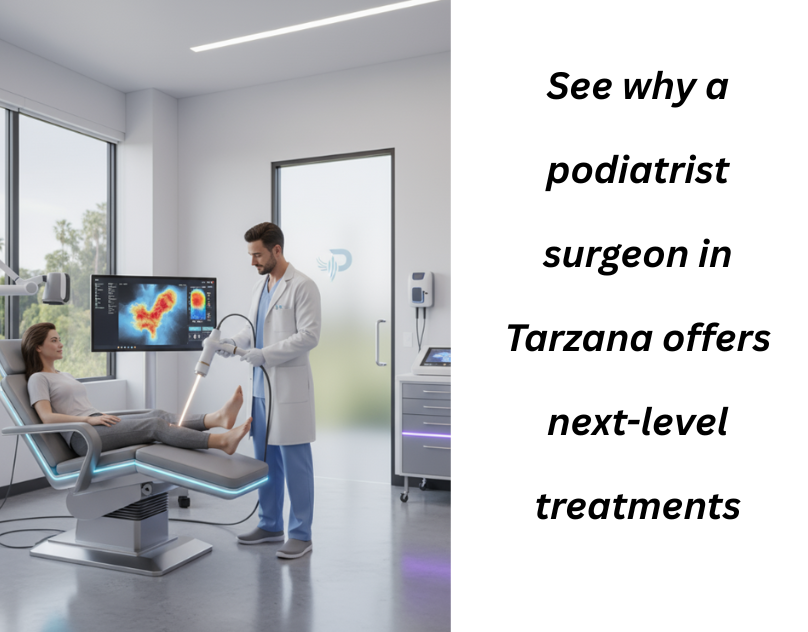
Foot and ankle problems can significantly impact your daily life, making it difficult to walk, exercise, or even stand comfortably. When you're searching for specialized care in the San Fernando Valley, finding an experienced podiatrist surgeon becomes essential for addressing complex foot conditions. Tarzana residents have access to some of the most advanced podiatric treatments available today, ranging from minimally invasive procedures to sophisticated surgical interventions.
Many people are unaware of the numerous conditions that can benefit from specialized foot care. From common issues like bunions and heel pain to complex reconstructive needs, modern podiatry offers solutions that weren't available just a few years ago. These advanced treatments help patients return to active lifestyles faster than ever before.
Cutting-Edge Surgical Procedures
Minimally Invasive Bunion Surgery
Traditional bunion surgery often required large incisions and lengthy recovery periods. However, modern techniques have revolutionized this approach. Today's podiatry surgeon in Tarzana utilizes keyhole surgery methods that involve tiny incisions, typically measuring less than 3mm in size.
These procedures offer several advantages:
- Reduced scarring and tissue damage
- Faster healing times, often within 2-4 weeks
- Less post-operative pain and swelling
- Earlier return to normal activities
- Lower risk of complications
The procedure involves using specialized instruments to realign the bone structure while preserving the surrounding soft tissues. Patients often walk immediately after surgery using protective footwear, which represents a significant improvement over traditional methods.
Advanced Ankle Arthroscopy
Ankle arthroscopy has become increasingly sophisticated, allowing surgeons to address complex joint problems through small keyhole incisions. This technique uses a tiny camera and specialized instruments to diagnose and treat various ankle conditions. Common conditions treated through arthroscopy include:
- Ankle impingement syndrome
- Loose bone fragments
- Cartilage damage
- Chronic ankle instability
- Scar tissue removal
The precision of modern arthroscopic equipment allows for detailed visualization of joint structures. Furthermore, patients typically experience less post-operative discomfort compared to open surgical approaches.
Reconstructive Foot Surgery
Complex foot deformities sometimes require comprehensive reconstructive procedures. These surgeries involve reshaping bones, realigning joints, and repairing soft tissues to restore normal foot function.
Advanced reconstruction techniques include:
- Multi-planar osteotomies for severe deformities
- Joint fusion procedures using modern fixation methods
- Tendon transfers and repairs
- Nerve decompression procedures
Modern surgical techniques prioritize preserving as much natural anatomy as possible while correcting structural abnormalities. Additionally, improved fixation devices allow for better healing and more substantial repairs.
Revolutionary Non-Surgical Treatments
Shockwave Therapy Technology
Extracorporeal shock wave therapy represents a significant advancement in treating chronic foot pain conditions. This non-invasive treatment uses acoustic waves to stimulate healing in damaged tissues. Conditions effectively treated with shockwave therapy include:
- Plantar fasciitis
- Achilles tendinopathy
- Heel spurs
- Chronic muscle pain
The treatment typically requires multiple sessions over several weeks. Most importantly, patients can continue their daily activities immediately after each session, making it an attractive option for busy professionals.
Advanced Injection Therapies
Modern injection treatments go far beyond simple cortisone shots. Today's podiatrist surgeons utilize various cutting-edge substances to promote healing and reduce pain. These include:
- Platelet-rich plasma (PRP) injections
- Hyaluronic acid treatments
- Regenerative medicine applications
- Targeted nerve blocks
PRP therapy, in particular, has shown remarkable results for tendon injuries and joint problems. The treatment utilizes the patient's own blood components to accelerate the natural healing process.
Custom Orthotic Technology
Digital scanning and 3D printing have revolutionized the manufacturing of custom orthotics. Modern devices offer precise foot mapping, enabling the creation of orthotics that perfectly match each patient's unique foot structure.
Benefits of advanced orthotic technology include:
- Improved comfort and fit
- Better pressure distribution
- Enhanced athletic performance
- Reduced injury risk
These devices can be manufactured quickly, often within days rather than weeks. Moreover, adjustments can be made easily as treatment progresses or conditions change.
Specialized Diagnostic Capabilities
Advanced Imaging Technologies
Modern podiatric practices utilize sophisticated imaging equipment to diagnose foot and ankle conditions accurately. These technologies provide detailed views of bone, soft tissue, and joint structures.
Available imaging options include:
- High-resolution digital X-rays
- MRI scanning for soft tissue evaluation
- Ultrasound for real-time tissue assessment
- CT scans for complex bone analysis
Digital imaging enables immediate results and facilitates enhanced treatment planning. Additionally, images can be easily shared with other healthcare providers when necessary.
Biomechanical Analysis
Gait analysis technology helps identify movement patterns that contribute to foot problems. These assessments use pressure sensors and video analysis to evaluate how patients walk and run.
This information helps healthcare providers:
- Identify abnormal movement patterns
- Design targeted treatment plans
- Recommend appropriate footwear
- Prevent future injuries
The data collected during these analyses provides valuable insights that weren't available with traditional examination methods. Consequently, treatments can be more precisely tailored to each patient's specific needs.
Sports Medicine Applications
Athletic Injury Management
Sports-related foot and ankle injuries require specialized knowledge and treatment approaches. A skilled podiatrist surgeon understands the unique demands placed on athletes' feet and ankles.
Common sports injuries treated include:
- Stress fractures
- Ligament sprains and tears
- Overuse injuries
- Impact-related trauma
Treatment protocols focus on rapid recovery while preventing re-injury. Furthermore, return-to-play decisions are based on objective measures rather than relying solely on symptoms.
Performance Enhancement
Beyond injury treatment, modern podiatric care includes performance optimization for athletes. This involves analyzing movement patterns and providing recommendations to enhance efficiency and minimize injury risk.
Performance enhancement strategies include:
- Biomechanical optimization
- Specialized training recommendations
- Equipment modifications
- Preventive care protocols
These approaches help athletes perform at their highest levels while maintaining foot and ankle health throughout their careers.
Diabetic Foot Care Advancements
Wound Care Technologies
Diabetic foot complications require specialized care to prevent serious complications. Modern wound care technologies have dramatically improved outcomes for diabetic patients.
Advanced wound care includes:
- Negative pressure therapy
- Bioengineered skin substitutes
- Growth factor applications
- Advanced dressing materials
These treatments promote faster healing and reduce the risk of amputation. Early intervention with advanced techniques often prevents minor problems from becoming major complications.
Preventive Monitoring
Regular monitoring helps identify potential problems before they escalate into serious issues. Modern diagnostic tools can detect circulation problems and nerve damage in their early stages. Preventive care strategies include:
- Vascular assessment testing
- Neuropathy screening
- Pressure point evaluation
- Custom protective devices
This proactive approach has significantly reduced amputation rates among diabetic patients in recent years.
Recovery and Rehabilitation Programs
Accelerated Recovery Protocols
Modern rehabilitation programs aim to return patients to full function as quickly and safely as possible. These protocols combine traditional physical therapy with advanced treatment modalities.
Recovery enhancement techniques include:
- Cold therapy systems
- Electrical stimulation
- Therapeutic ultrasound
- Manual therapy techniques
Patients following structured rehabilitation programs typically achieve better outcomes and experience fewer complications. Additionally, these programs help prevent future injuries by improving strength and flexibility.
A podiatrist surgeon in Tarzana today has access to treatment options that provide better outcomes with less invasive approaches than ever before. These advancements enable patients to maintain active lifestyles while effectively addressing even the most complex foot and ankle conditions.
