Ingrown Toenail Doctor: Treatment Options for Severe Nail Curvature
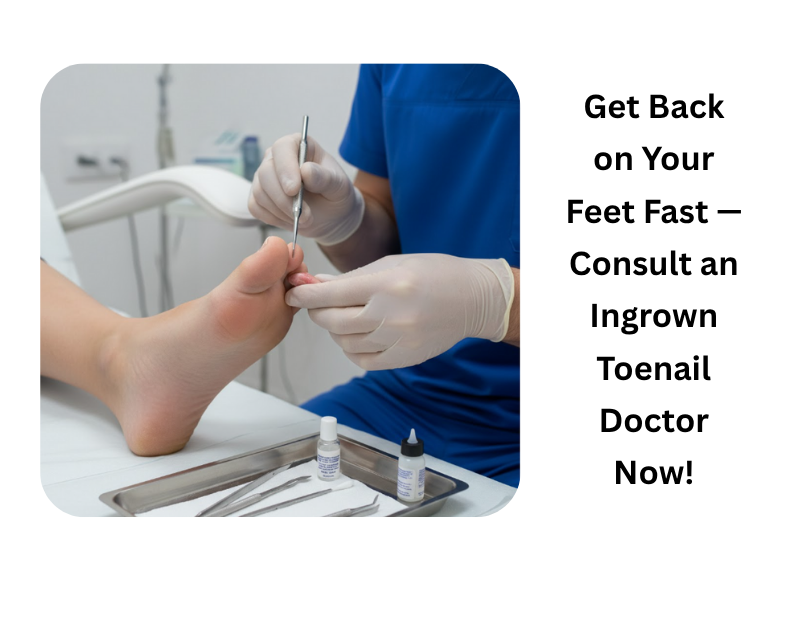
Dealing with an ingrown toenail can be incredibly painful and frustrating. When your toenail curves deeply into the surrounding skin, every step becomes uncomfortable. Many people in Lancaster, CA, search for a qualified toe nail doctor near Lancaster, CA to find relief from this common yet debilitating condition. Understanding your treatment options is the first step toward getting the professional care you need.
What Causes Severe Nail Curvature?
Severe nail curvature doesn't happen overnight. Several factors contribute to this painful condition that affects thousands of people each year.
Improper nail trimming is one of the primary culprits. When you cut your toenails too short or round the edges, you encourage the nail to grow into the skin. Additionally, wearing tight shoes that compress your toes creates constant pressure on the nail bed. This pressure can force the nail to grow in an abnormal direction.
Genetic factors also play a significant role. Some people naturally have curved or thick toenails that are more prone to becoming ingrown. Furthermore, injuries to the toe can damage the nail bed and alter the nail's growth. Athletes and runners are particularly susceptible to this type of trauma.
Recognizing When You Need Professional Help
While minor ingrown toenails might resolve with home care, severe cases require medical attention. Knowing when to seek help from a toe nail doctor near Lancaster, CA can prevent complications and unnecessary suffering.
Watch for these warning signs:
- Intense pain that interferes with walking or wearing shoes
- Redness and swelling that extend beyond the immediate area
- Pus or drainage indicating an infection has developed
- Red streaks spreading from the affected toe
- Fever or chills accompanying the toe pain
- Recurring problems with the same toenail despite home treatment
People with diabetes or circulatory problems should seek medical care immediately. These conditions can complicate even minor foot issues and lead to serious infections.
Conservative Treatment Approaches
Before considering surgical options, podiatrists typically explore conservative treatments. These methods work well for mild to moderate ingrown toenails and can provide significant relief.
Soaking and Proper Nail Care
Your doctor may recommend warm water soaks several times daily. This simple technique helps reduce swelling and soften the skin around the nail. Epsom salt added to the water can enhance the soothing effect while drawing out any infection.
Professional nail trimming is another essential component. A podiatrist has the tools and expertise to carefully trim the ingrown portion without causing additional damage. They'll also teach you proper trimming techniques to prevent future occurrences.
Lifting Techniques
For nails that aren't severely embedded, doctors may use a lifting technique. This involves placing a small piece of cotton or dental floss under the nail edge to encourage it to grow above the skin. However, this method requires patience, as the nail must grow out completely.
Antibiotic Treatment
When infection is present, oral or topical antibiotics become necessary. Your healthcare provider will prescribe medication based on the severity of the disease. It's crucial to complete the entire antibiotic course, even if symptoms improve quickly.
Surgical Treatment Options
Sometimes, conservative treatments aren't enough to address severe nail curvature. Surgical interventions offer more permanent solutions for chronic or severely painful ingrown toenails.
Partial Nail Avulsion
This standard procedure involves removing only the ingrown portion of the nail. Your doctor will numb the toe with a local anesthetic before carefully cutting away the problematic section. The remaining nail continues to grow normally, and most people experience significant relief within days.
Recovery from partial nail avulsion is relatively quick. Most patients can walk immediately after the procedure, though you'll need to keep the area clean and dry. Your doctor will provide detailed aftercare instructions to ensure proper healing.
Matrixectomy Procedure
For recurring ingrown toenails, a matrixectomy provides a lasting solution. During this procedure, the doctor removes a portion of the nail matrix—the tissue responsible for nail growth. This prevents the problematic section from growing back.
Two types of matrixectomy exist: chemical and surgical. Chemical matrixectomy uses phenol to destroy the nail matrix cells, while surgical matrixectomy physically removes the tissue. Both methods have high success rates, with most patients experiencing no further problems in that area.
Total Nail Removal
In rare, severe cases, complete nail removal becomes necessary. This option is typically reserved for situations where the entire nail is diseased or damaged to the point of being beyond repair. While it may sound drastic, total removal can provide immense relief for individuals suffering from chronic, painful nail conditions.
The nail may or may not regrow after total removal, depending on whether the nail matrix is preserved or removed. Your podiatrist will discuss the long-term implications of this option before proceeding.
Advanced Laser Treatment
Modern podiatry now includes laser therapy as a treatment option. This innovative approach uses concentrated light energy to treat the nail and surrounding tissue. Laser treatment can reduce inflammation, eliminate infection-causing bacteria, and even reshape the nail bed in some cases.
The procedure is minimally invasive and causes little discomfort. Many patients appreciate that laser therapy requires no cutting or stitches. However, multiple sessions may be necessary to achieve optimal results.
Finding the Right Specialist in Lancaster
Choosing a qualified podiatrist is essential for effective treatment. When searching for a toe nail doctor consider several vital factors.
Experience matters significantly in podiatric care. Look for doctors who specialize in nail disorders and have performed numerous ingrown toenail procedures. Check online reviews and ask for recommendations from your primary care physician or friends who've received similar treatment.
Convenience is another practical consideration. Find a practice with accessible office hours and a location that's easy to reach. Many modern podiatry offices offer same-day appointments for urgent cases, which can be invaluable when you're experiencing severe pain.
Preventing Future Problems
After treatment, prevention becomes your primary goal. Implementing proper foot care habits can help you avoid future episodes of ingrown toenails.
Always cut your toenails straight across, never rounding the corners. Leave them slightly longer rather than cutting them too short. Use proper nail clippers designed for toenails, as these provide better control than fingernail clippers.
Choose footwear wisely. Your shoes should provide adequate room for your toes to move freely. Avoid tight, pointed styles that compress your toes together. When shopping for shoes, do so later in the day when your feet are slightly swollen to ensure a proper fit.
Maintain good foot hygiene by washing your feet daily and keeping them dry and clean. Moisture creates an environment that allows bacteria and fungi to thrive, potentially complicating any nail issues. Change your socks daily and consider using moisture-wicking materials if your feet tend to sweat.
What to Expect During Your Visit?
Understanding what happens during a podiatry appointment can ease anxiety about seeking treatment. Your first visit to a toe nail doctor near Lancaster, CA will typically begin with a thorough examination of your foot and toenail.
The doctor will assess the severity of your ingrown toenail and check for signs of infection. They'll ask about your symptoms, medical history, and any previous foot problems. Be prepared to discuss your footwear choices and nail care habits, as these factors influence treatment decisions.
After the examination, your podiatrist will explain your treatment options and recommend the best approach for your specific situation. They'll discuss the pros and cons of each option, recovery time, and expected outcomes. Don't hesitate to ask questions—understanding your treatment is an integral part of the healing process.
If a procedure is necessary, many podiatrists can perform it during the same visit. This immediate treatment provides faster relief and eliminates the stress of scheduling another appointment while you're in pain.
Cost Considerations and Insurance Coverage
Medical costs are a valid concern for many patients seeking treatment. The price of ingrown toenail treatment varies depending on the severity of your condition and the chosen treatment method.
Most health insurance plans cover medically necessary podiatric care, including treatment for ingrown toenails. However, coverage levels differ between plans. Contact your insurance provider before your appointment to understand your benefits and any out-of-pocket costs you might incur.
Many podiatry offices offer payment plans for patients without insurance or those facing high deductibles. Don't let financial concerns prevent you from seeking necessary treatment. Untreated ingrown toenails can lead to serious infections that become far more expensive to treat.
