How does a Foot Doctor for Fungus identify the Root Cause of Infection?
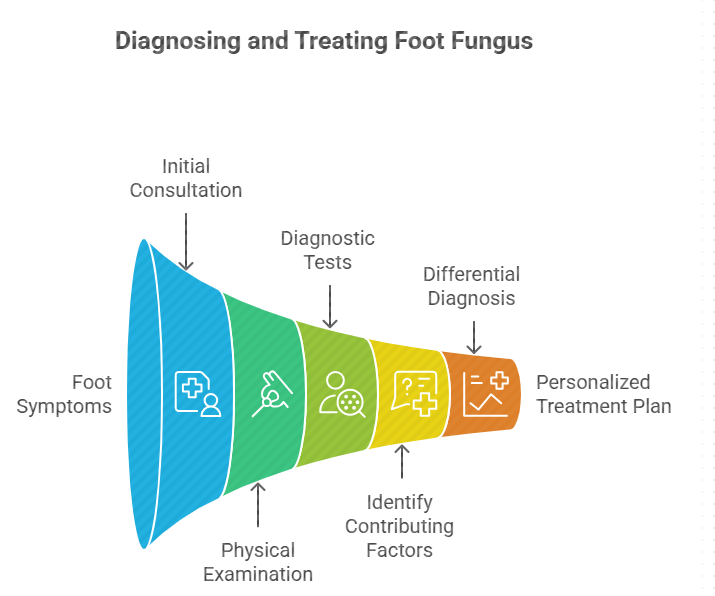
Dealing with persistent itching, discoloration, or crumbling toenails? These symptoms often indicate a fungal infection that requires professional attention. A foot doctor specializes in diagnosing and treating these common yet frustrating conditions. When you visit a foot specialist, they use systematic approaches to identify exactly what’s causing your infection. Understanding this diagnostic process helps you appreciate why professional care matters more than over-the-counter remedies.
Fungal infections affect millions of people annually, yet many struggle with ineffective treatments because they have never received an accurate diagnosis. That’s where seeking help from a qualified foot doctor in Sherman Oaks becomes essential. These specialists employ advanced diagnostic techniques that go far beyond visual inspection.
Understanding Fungal Infections of the Feet
Fungal infections thrive in warm, moist environments, making feet particularly vulnerable. Additionally, shared spaces like gym showers and swimming pools create ideal conditions for fungus to spread. The most common types include athlete’s foot, toenail fungus (onychomycosis), and various skin infections. However, not all foot problems are caused by fungi. That’s why proper identification becomes crucial. Bacterial infections, psoriasis, eczema, and even certain autoimmune conditions can mimic fungal symptoms. Consequently, self-diagnosis often leads to months of ineffective treatment.
Common Signs That Warrant Professional Evaluation
- Persistent itching between toes or on the soles of the feet
- Discolored, thickened, or brittle toenails
- Cracking, peeling, or scaling skin
- Unusual foot odor that doesn’t improve with hygiene
- Red, inflamed patches that spread over time
- White or yellowish discharge from affected areas
The Initial Consultation Process
During your first visit, a foot specialist conducts a comprehensive examination. They start by reviewing your medical history, including previous infections, medications, and underlying health conditions. Diabetes, compromised immune systems, and circulation problems all increase the risk of fungal infections.
Next, they’ll ask detailed questions about your symptoms. When did you first notice the problem? Have you tried any treatments? Do you spend time in communal areas barefoot? These details help narrow down potential causes and transmission sources.
The physical examination involves carefully inspecting all affected areas. Your doctor looks for specific patterns, textures, and locations that indicate fungal versus other conditions. Furthermore, they assess the severity and extent of the infection to develop appropriate treatment strategies.
Diagnostic Tests Used by Foot Specialists
Visual examination provides valuable clues, but laboratory testing confirms diagnoses. Here’s how medical professionals verify fungal infections:
Skin and Nail Scrapings
The most common diagnostic method involves collecting samples from affected areas. Your foot doctor gently scrapes skin scales or clips pieces of infected nails. Although this sounds uncomfortable, the procedure typically causes no pain. These samples undergo microscopic examination using a potassium hydroxide (KOH) preparation. This solution dissolves skin cells while leaving fungal elements visible. Within hours, technicians can identify fungal presence and, in some cases, determine the specific species.
Fungal Culture Tests
When microscopy proves inconclusive, culture tests provide more definitive answers. Laboratory technicians place samples in specialized growth media that promote fungal growth. Over several weeks, they monitor which organisms grow and identify them precisely. Culture tests take longer but offer critical information. Different fungal species respond to different medications. Therefore, identifying the exact organism ensures you receive the most effective treatment from the start.
Wood’s Lamp Examination
Some fungi fluoresce under ultraviolet light. A foot doctor in Sherman Oaks might use this quick, non-invasive tool during your examination. The doctor darkens the room and shines a Wood’s lamp on affected areas. Certain fungal infections glow distinctive colors, helping confirm or rule out specific diagnoses. Nevertheless, not all fungi fluoresce, so negative results don’t rule out fungal infection. This tool works best as part of a comprehensive diagnostic approach.
Dermoscopy
Advanced practices use dermoscopes—specialized magnifying devices—to examine skin and nail structures in detail. This technology reveals patterns invisible to the naked eye. Dermoscopy helps distinguish fungal infections from psoriasis, melanoma, and other conditions that might otherwise be confused.
Identifying Contributing Factors
Beyond confirming fungal presence, skilled practitioners investigate why the infection occurred. Understanding root causes prevents recurrence after treatment. Your foot specialist doctor evaluates multiple risk factors:
Environmental and Lifestyle Assessment
Where do you walk barefoot? How often do you wear closed-toe shoes? Do you frequent public pools or gyms? These questions reveal exposure patterns. Additionally, your doctor might ask about your work environment, especially if you wear boots or other protective footwear for extended periods. Moisture management plays a huge role in fungal infections. Sweaty feet create perfect breeding grounds. Therefore, your doctor evaluates whether your footwear choices and hygiene practices contribute to the problem.
Underlying Health Conditions
Certain medical conditions significantly increase susceptibility to fungal infections. Diabetes reduces circulation and immune function, making feet more vulnerable. Similarly, peripheral vascular disease limits blood flow that would normally fight infections. Your foot doctor reviews medications you’re taking as well. Immunosuppressants, corticosteroids, and antibiotics can disrupt the body’s natural defenses. Moreover, previous injuries or nail damage create entry points for fungal organisms.
Genetic and Anatomical Factors
Some people naturally produce more foot sweat or have structural abnormalities that trap moisture. Bunions, hammertoes, and other deformities create crevices where fungi thrive. A thorough examination identifies these anatomical considerations.
Differential Diagnosis: Ruling Out Other Conditions
Expert diagnosticians don’t jump to conclusions. Instead, they systematically eliminate alternative explanations. Several conditions closely resemble fungal infections:
- Psoriasis causes nail pitting, discoloration, and thickening similar to fungal infections. However, psoriatic nails often show oil-drop changes and salmon-colored patches. Your doctor looks for these distinguishing features.
- Eczema and contact dermatitis create red, itchy, scaling patches. Unlike fungal infections, these conditions typically respond quickly to topical steroids. The distribution pattern also differs from typical fungal presentations.
- Bacterial infections sometimes occur alongside or instead of fungal problems. These usually present with more acute inflammation, pain, and potentially pus formation. Proper diagnosis ensures you receive antibacterial rather than antifungal treatment when necessary.
- Melanoma can occasionally mimic toenail fungus, appearing as dark discoloration under the nails. This potentially deadly cancer requires immediate attention. Any suspicious pigmentation warrants careful evaluation and, if indicated, biopsy.
Advanced Diagnostic Technologies
Leading podiatry practices incorporate cutting-edge tools for enhanced accuracy:
Confocal Microscopy
This innovative technology enables real-time visualization of skin layers without the need for biopsies. Doctors can examine cellular structures and identify fungal elements immediately during your appointment. Although not yet universal, this method represents the future of dermatological diagnosis.
Molecular Testing
DNA-based diagnostic methods identify fungal species with exceptional precision. PCR (polymerase chain reaction) testing detects fungal genetic material even in small samples. These tests work faster than traditional cultures while providing results that are equally reliable.
Digital Imaging and Tracking
Modern practices photograph affected areas using standardized protocols. This documentation helps objectively track treatment progress. Furthermore, comparison images clearly demonstrate improvement or identify early treatment resistance.
Why Professional Diagnosis Matters?
Many people attempt self-treatment with over-the-counter antifungal products. While these work for mild cases, they often fail against resistant strains or misdiagnosed conditions. Wasted time allows infections to worsen and potentially spread. Professional diagnosis by a qualified foot doctor offers several advantages:
- Accurate identification prevents ineffective treatment attempts.
- Early intervention stops progression and complications.
- Comprehensive care addresses underlying risk factors.
- Prescription-strength medications provide superior effectiveness.
- Monitoring ensures treatment success and prevents recurrence.
Moreover, untreated fungal infections can lead to secondary bacterial infections, permanent nail damage, and even systemic complications in immunocompromised patients. Professional care protects your overall health, not just your feet.
Finding the Right Foot Specialist
When searching for qualified care, look for board-certified podiatrists with specific experience in fungal infections. Check their credentials, read patient reviews, and verify they use modern diagnostic equipment. Location matters too—choosing a convenient foot doctor in Sherman Oaks increases the likelihood you’ll complete treatment and attend follow-up appointments. Consistent care produces the best outcomes.
Additionally, consider practices offering comprehensive services beyond basic fungal treatment. Specialists who provide custom orthotics, diabetic foot care, and surgical interventions when necessary deliver more complete solutions.
The Path to Healthy Feet
Getting an accurate diagnosis represents the critical first step toward clear, healthy skin and nails. Once your foot specialist doctor identifies the specific infection type and contributing factors, they develop a personalized treatment plan tailored to your unique situation.
Treatment might include topical medications, oral antifungals, laser therapy, or combination approaches. Your doctor will explain expected timelines, potential side effects, and necessary lifestyle modifications. Furthermore, they’ll schedule follow-up appointments to monitor progress and adjust treatment as needed.
Prevention strategies form an essential part of comprehensive care. Your provider will teach you how to keep your feet dry, choose appropriate footwear, and recognize early warning signs of recurrence. These habits protect your investment in treatment and maintain long-term foot health.
